NEAR-TERM
Immediate monetisation
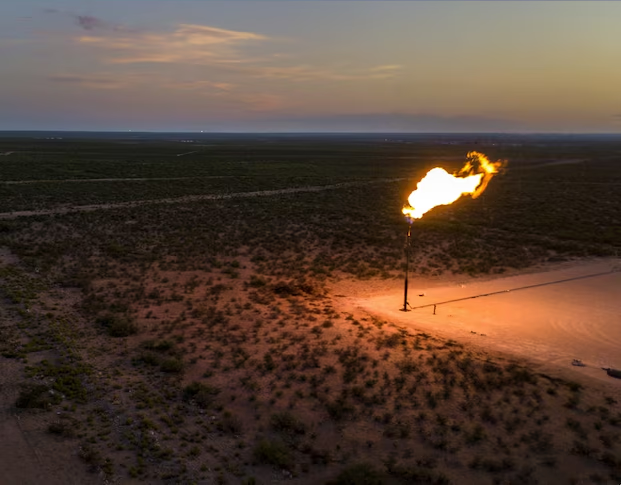
Convert stranded, underutilised or flared energy into near-term revenue using modular high-performance computing infrastructure, often within months, not years.

Energy monetisation
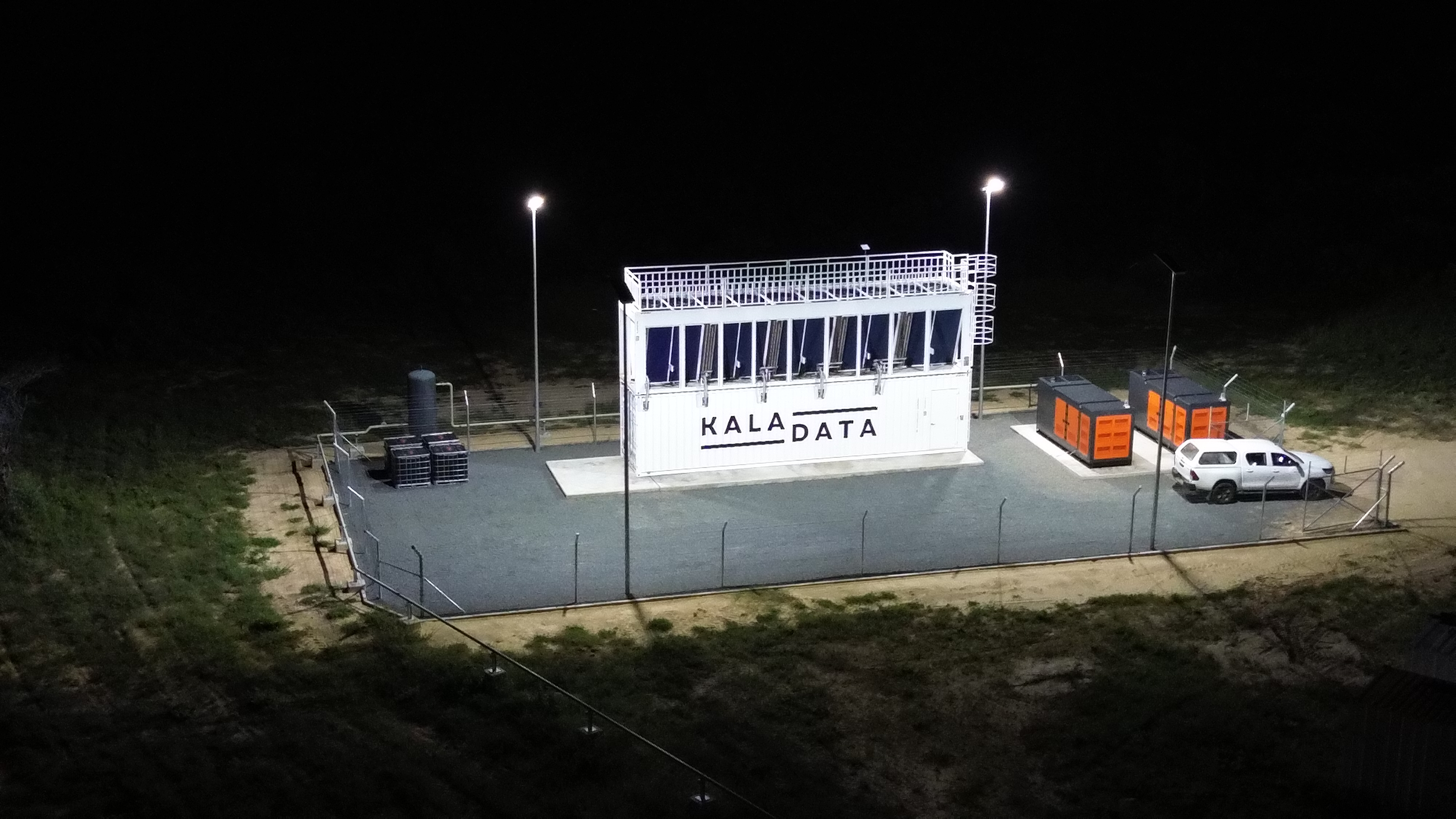
Kala deploys modular, dispatchable data centres directly at your energy assets, converting stranded, flared or curtailed power into a new, non-correlated revenue stream.
GRID OR OFF-GRID · WITH OR WITHOUT EXISTING TRANSMISSION OR PIPELINE INFRASTRUCTURE
Convert stranded, underutilised or flared energy into near-term revenue using modular high-performance computing infrastructure, often within months, not years.
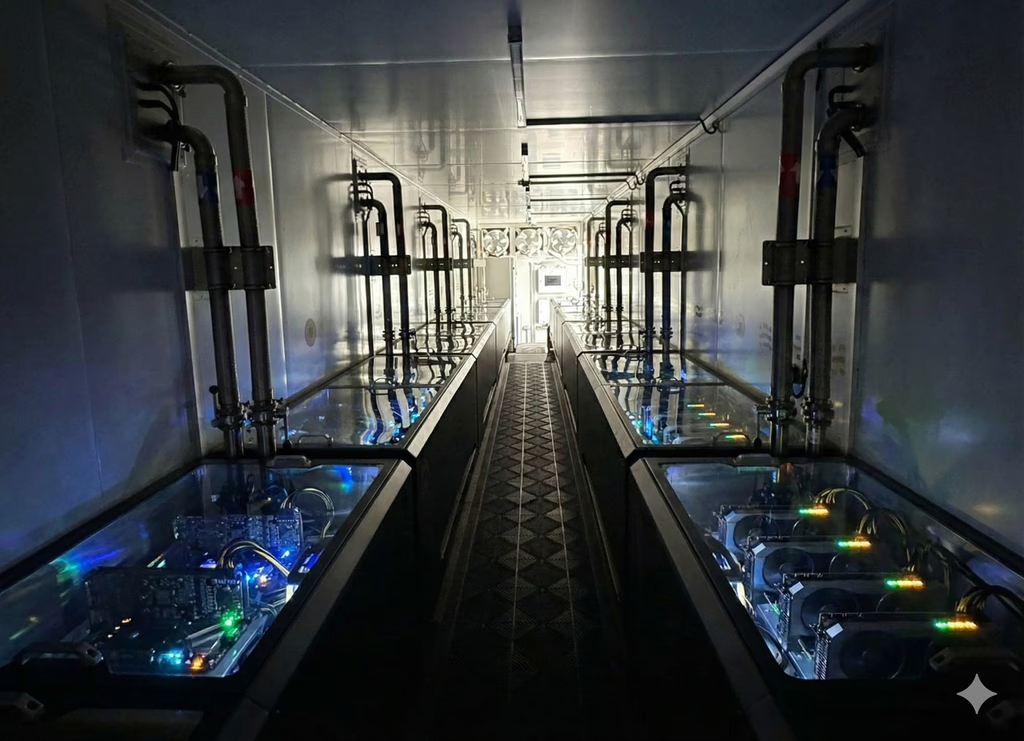
Create additional income streams by extending energy assets beyond traditional offtake pathways. Compute demand doesn't move with commodity prices.
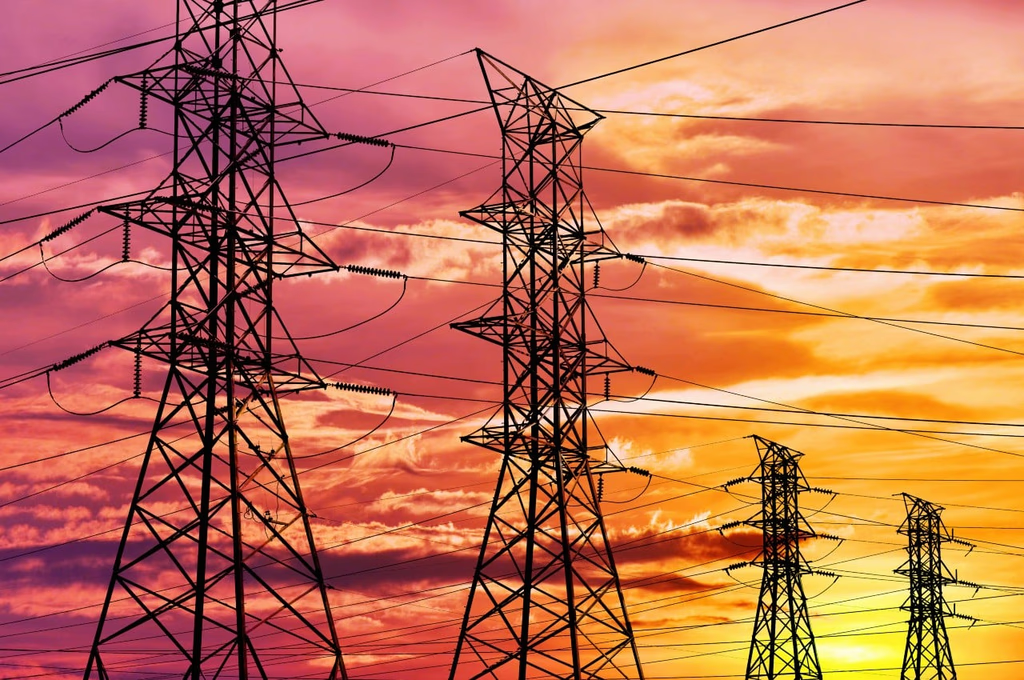
Increase realised value through a flexible, interruptible load that absorbs surplus generation without constraining core dispatch.
Energy we monetise
Remote generation or gas assets with no economic route to market. We bring the demand to the resource.
Plant idling between peaks becomes a compute host. Kala sheds load in under five seconds when the asset needs to dispatch.
Turn a waste stream — and a growing regulatory liability — into productive, revenue-generating compute load.
Capture value from generation you'd otherwise spill. Our load ramps up when the grid can't take your output, and steps aside when it can.
Energy source
Remote gas fields, isolated off-grid generation, and renewables capacity beyond the export limit of a connection share a common problem: energy that cannot be moved to demand. Without transmission infrastructure or pipeline access, these assets generate little or no revenue — and in the case of associated gas, may represent both a cost and a regulatory liability.
Kala's approach inverts the conventional energy offtake model. Rather than building infrastructure to reach a distant market, we deploy modular compute hardware directly at the resource. The system can operate independently of grid connection, converting power that would otherwise go to waste into GPU compute utilised for AI and HPC users globally.
Energy source
Peaking and cycling plant — open-cycle gas turbines, diesel generators, run-of-river hydro, and similar assets — often spend the majority of operating hours at minimum load or on standby, dispatching only during demand peaks. Revenue earned during those peaks does not always offset the fixed costs of holding the asset available.
Kala's compute load fills the idle hours, absorbing power when the asset would otherwise be spinning at minimum load or sitting on standby. The load is fully dispatchable: it sheds in under five seconds on receipt of a SCADA signal, making it functionally indistinguishable from an unloaded standby state from the plant's perspective. That response speed — and the ability to follow frequency and price signals — means our load is designed to support grid services including FCAS where the site and market allow.
Energy source
Associated gas is a co-product of oil production. Where it cannot be reinjected or sold via pipeline, it is routinely flared — releasing greenhouse gases with no economic return and generating increasing regulatory scrutiny as emissions reporting requirements tighten across Australian and international jurisdictions.
Flare volumes can be sufficient to power substantial compute infrastructure. Kala's generators accept variable gas composition and flow rates, and the curtailment system adjusts automatically to production fluctuations — meaning the compute load follows the available fuel rather than demanding a consistent supply.
Energy source
As renewable penetration increases, grid curtailment is becoming a structural feature of energy markets rather than an exception. Transmission constraints, system frequency requirements, and coincident generation from multiple sources can force renewable operators to reduce or cease output at exactly the times their assets are most productive.
Curtailment is, in effect, missed revenue — generation that has already been paid for in capital but earns nothing. Kala places dispatchable compute load at the point of generation or at a constrained grid connection, consuming power during curtailment windows and releasing it the instant the grid can accept generation again. For renewable developers and operators, it converts an operational cost into a second revenue stream without affecting the primary offtake relationship. The sub-five-second load response also positions sites to provide firming capacity for variable renewables, and to support frequency control ancillary services (FCAS) where market conditions allow.
How it works
We evaluate your asset: available power, site conditions, connectivity, and the commercial structure that fits. No cost, no obligation.
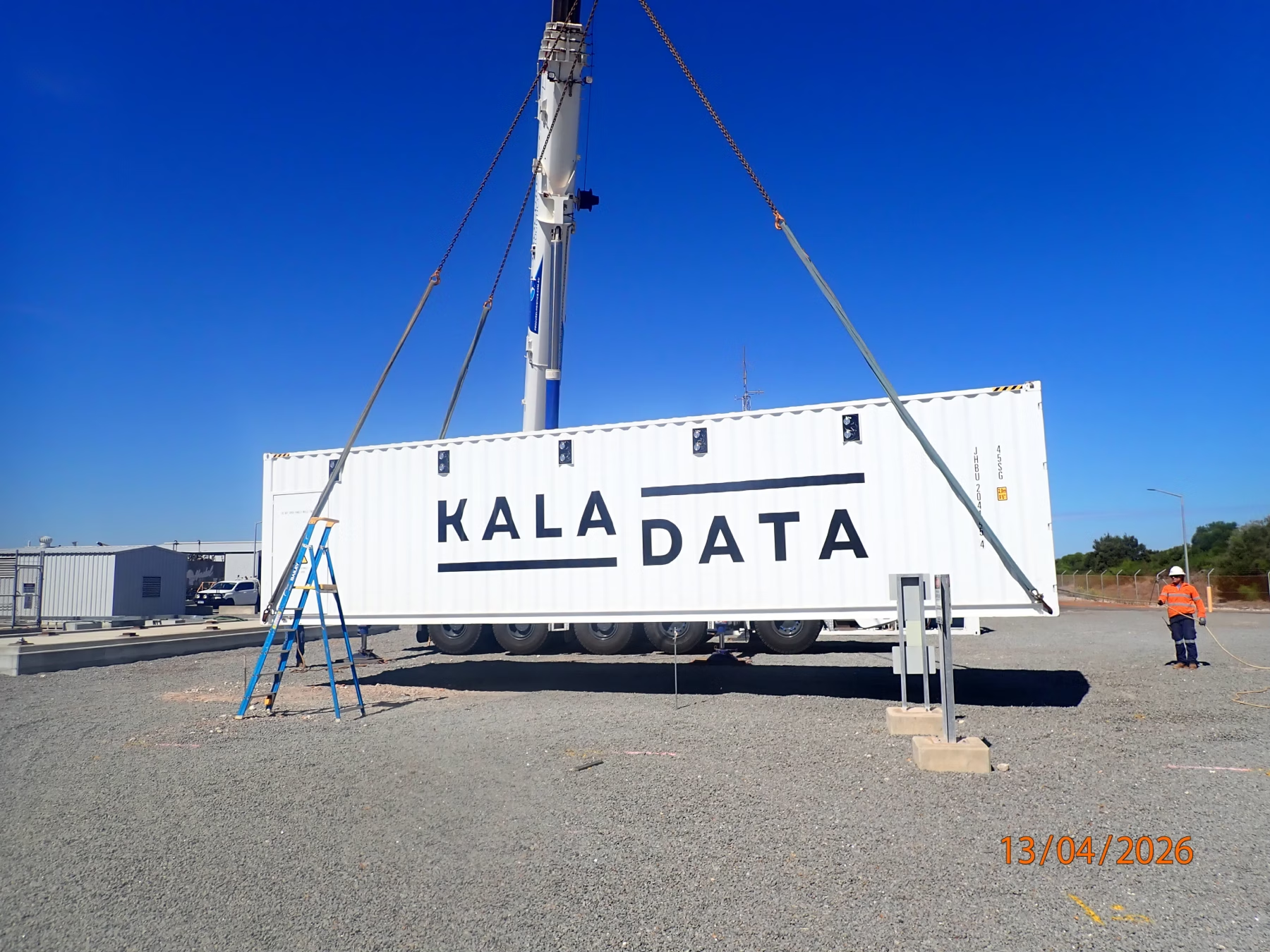
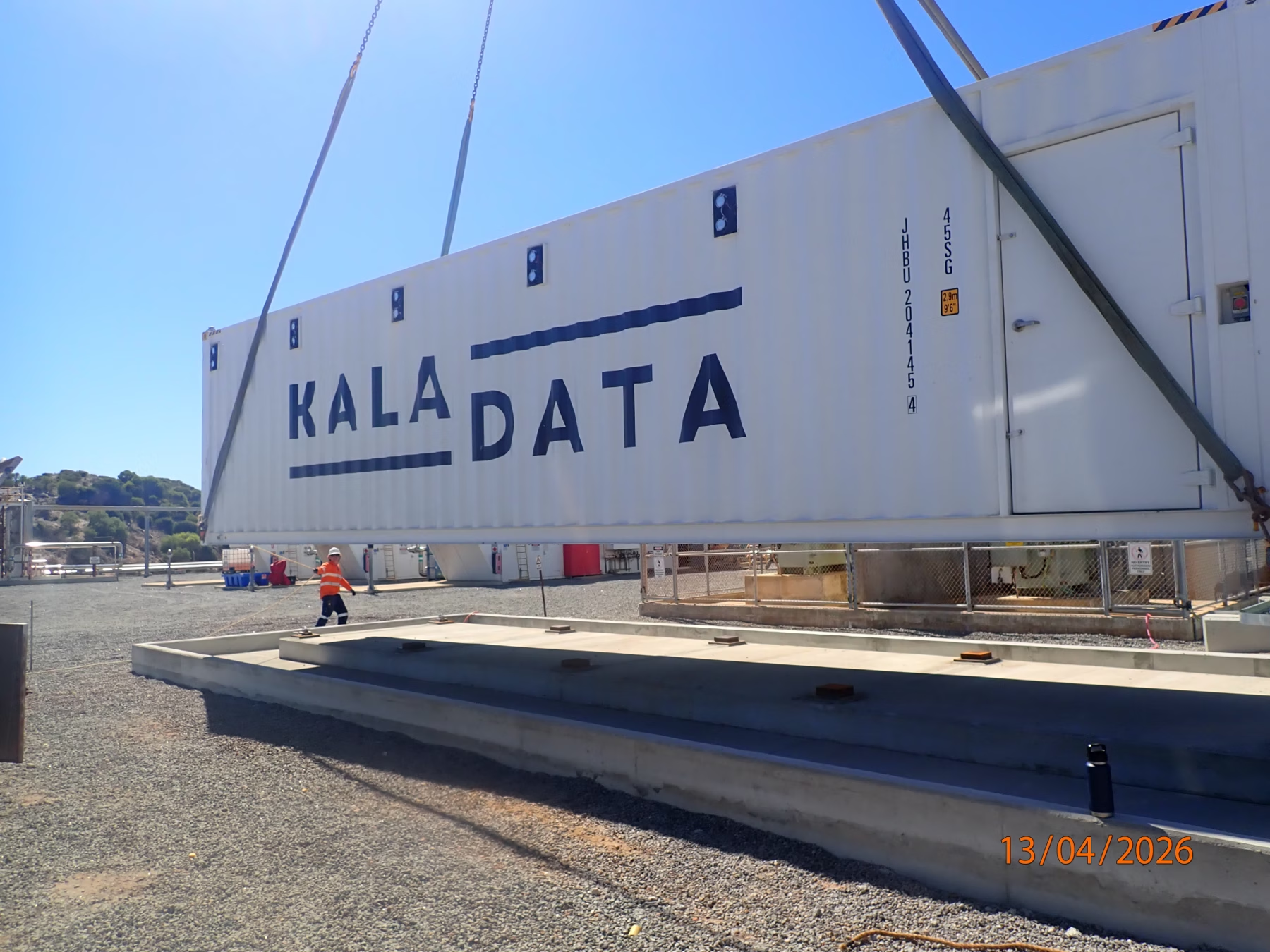
Prefabricated, factory-tested modular units arrive ready to run. Onsite work is limited to foundations, cabling and commissioning. Projects move from concept to operation fast.
Our remote management platform monitors and controls every container, tank and compute unit in real time. Minimal onsite presence required from your team.
Your energy powers high-value compute workloads. Revenue flows under the commercial structure agreed up front, and the load flexes around your operations, not the other way round.
Every asset is different. We structure each project around your operational constraints, risk appetite and capital preferences.
From straightforward power purchase agreements to revenue-sharing structures and joint ventures. We align incentives so both sides benefit from uptime and efficiency.
Our compute load is grid-responsive by design — capable of load modulation and curtailment in response to grid or price signals, and designed to support frequency control ancillary services (FCAS) where the site and market allow.
Engineered for remote and off-grid locations where traditional data-centre infrastructure is impractical, running reliably in high-ambient climates and isolated environments.
Infrastructure
The AI cloud runs on the energy division's infrastructure. The energy division earns from the AI cloud's demand. Every unit we deploy serves both.
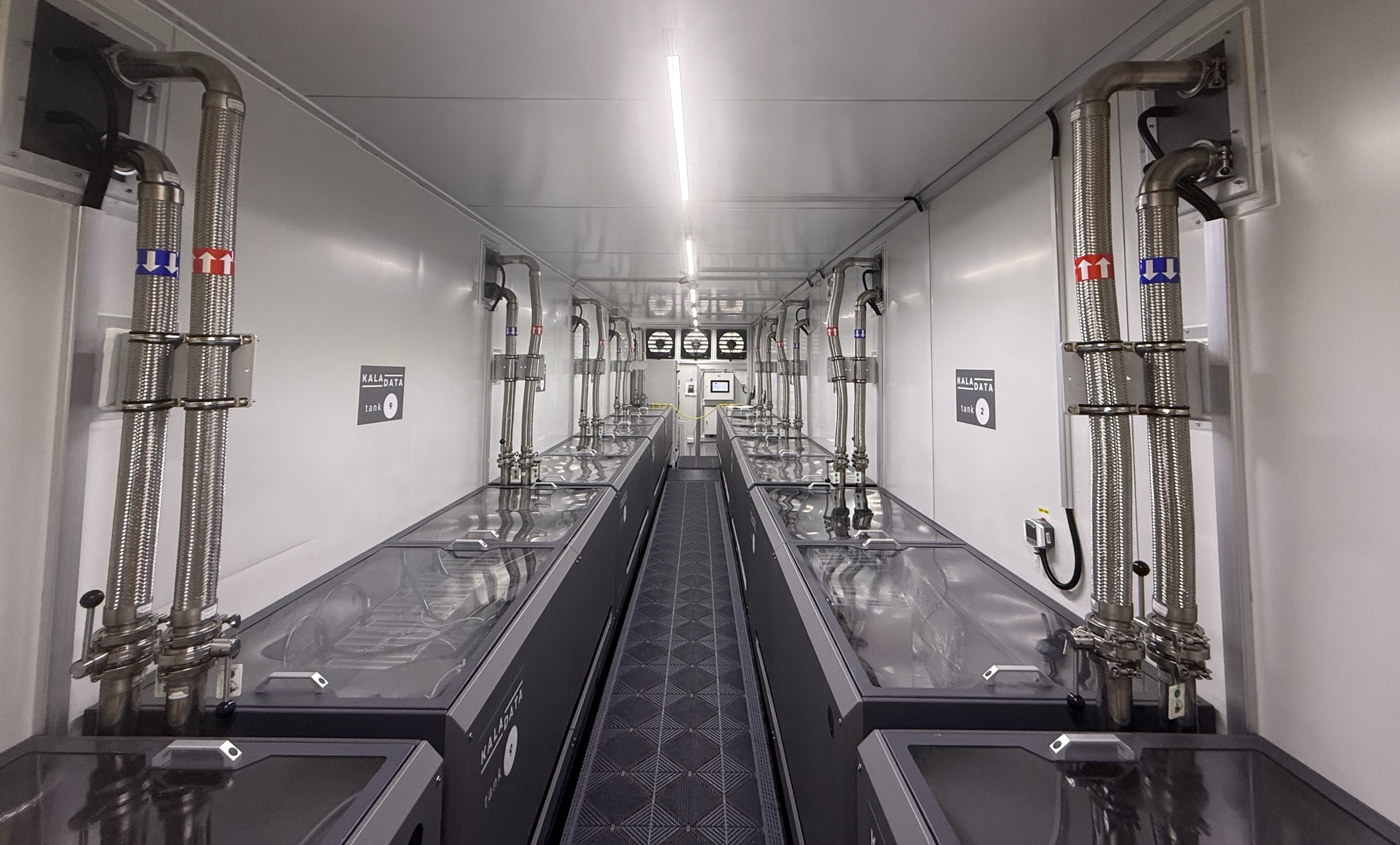
High-density compute in a compact, repeatable footprint. Deploy a single unit or scale seamlessly by adding more. No large-scale civil works required.
Hardware submerged in dielectric fluid maintains tightly controlled temperatures in harsh conditions, slashes failure rates, and eliminates the fan noise of air-cooled sites.
Direct SCADA integration via Modbus/TCP, SNMP and REST APIs, shedding or restoring load per container, per tank or per compute unit, following grid or generator setpoints with ramp-rate limits and fail-safe states. Designed to support load modulation, curtailment, and frequency control ancillary services (FCAS) where the site and market allow.
Secure, real-time monitoring and control at every level, with automated curtailment, role-based access, audit logging and API integrations. Lower onsite costs, higher uptime.
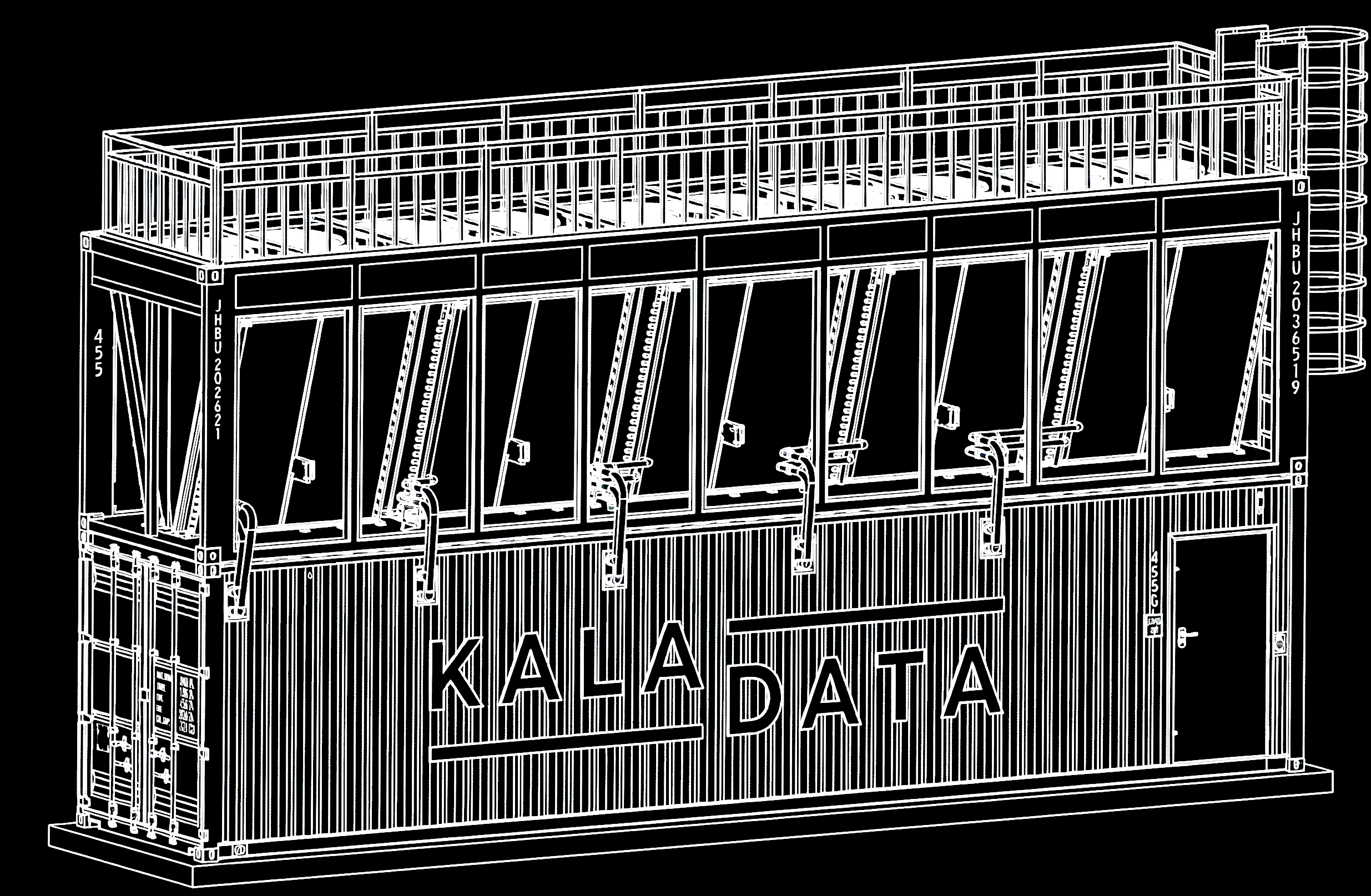
Kala's platform runs a flexible mix of computational workloads — GPU compute for AI and HPC, and blockchain workloads as a dispatchable base load. For energy partners, that means demand for your power is durable across market cycles, and your asset isn't tied to a single end market.
Load types
Blockchain workloads maximise the total energy you monetise — they absorb everything available. GPU compute improves the yield — earning more per megawatt from stable, committed power.
The highest-revenue workload per megawatt. Our B200, H200 and H100 clusters serve AI training, inference, and HPC workloads for a global customer base — demand that doesn't move with commodity prices.
The most flexible compute load available. ASICs run continuously at whatever power is available, pause in under five seconds with zero SLA penalty, and can be generating revenue within weeks of a site decision.
Many sites begin with blockchain workloads to capture immediate revenue from available power, then layer in GPU infrastructure as the site matures and connectivity improves. Others run a split from day one — mining absorbs excess or curtailed generation while AI compute fills committed capacity. We structure deployments around your site's constraints and objectives, not a fixed template.